Halloween mantel decor does not need a cart full of plastic spiders to work. The most memorable displays usually have a clear point of view: a warm glow, a few shapes with character, and enough open space for every detail to be noticed. A mantel is a natural place to create that feeling because it is already a focal point, whether it sits above a fireplace or anchors a living room wall.
Start by deciding what you want the room to feel like after dark. Maybe it is a cozy pumpkin patch, an old-fashioned haunted house, a moody gothic shelf, or simply a little more autumnal than usual. Once you have that answer, the decorating choices get easier. You are not trying to show every Halloween idea at once. You are building one small scene that feels at home in your space.
1. Choose one focal point before adding the extras
A mantel looks composed when the eye has somewhere to land first. Pick one focal point and let everything else support it. That could be a group of glowing lanterns, a single sculptural piece, a dark mirror, a framed print, or a row of pumpkins. When every object is asked to be the star, the whole display starts to look like a crowded shelf.
For a playful Halloween look, a cluster of small house lanterns makes an easy focal point because the different faces give the display movement without adding more colors. For a darker style, one detailed lantern can carry the whole mood. Work from the center out, then pause after each addition. If the focal point still feels clear, the display is probably done enough.

2. Build a tight color palette
The fastest way to make Halloween decor feel intentional is to limit the colors. Begin with what is already in the room: warm white walls, dark wood, brick, black metal, or soft gray. Then choose two or three seasonal accents that work with those existing tones. Black, amber, orange, deep green, weathered wood, and a little brass are plenty for most mantels.
A cozy mantel might use natural wood, muted orange pumpkins, and amber light. A gothic mantel can lean on black, dark brown, old gold, and a few bone-colored details. A playful display can use brighter orange and friendly jack-o-lantern faces, but it will still look better when the surrounding objects stay simple. Repeating one color in two or three places is enough to make the group feel connected.
3. Add height in a few deliberate places
A flat line of decorations can disappear into the wall behind it. Give the arrangement a little rise and fall instead. Use a taller center piece, a stack of old-looking books, a narrow vase with bare branches, or lanterns in two different heights. You do not need a perfect pyramid. You only need enough variation that the display has a shape when you look at it from across the room.
Keep the tallest pieces toward the back, especially if the mantel is shallow. Smaller details belong closer to the front where they will not be hidden. Leave a few inches between objects with strong outlines, such as lanterns or ceramic pumpkins. That little bit of breathing room keeps their shapes from blending into one another.
4. Let warm light do the heavy lifting
Halloween becomes much more convincing after sunset, so light deserves more attention than extra objects. A few warm points of light soften a mantel and make wood, glass, and cut-out details feel richer. Start with lanterns or LED candles, then add a small strand of warm white lights only if the display still needs a little lift.
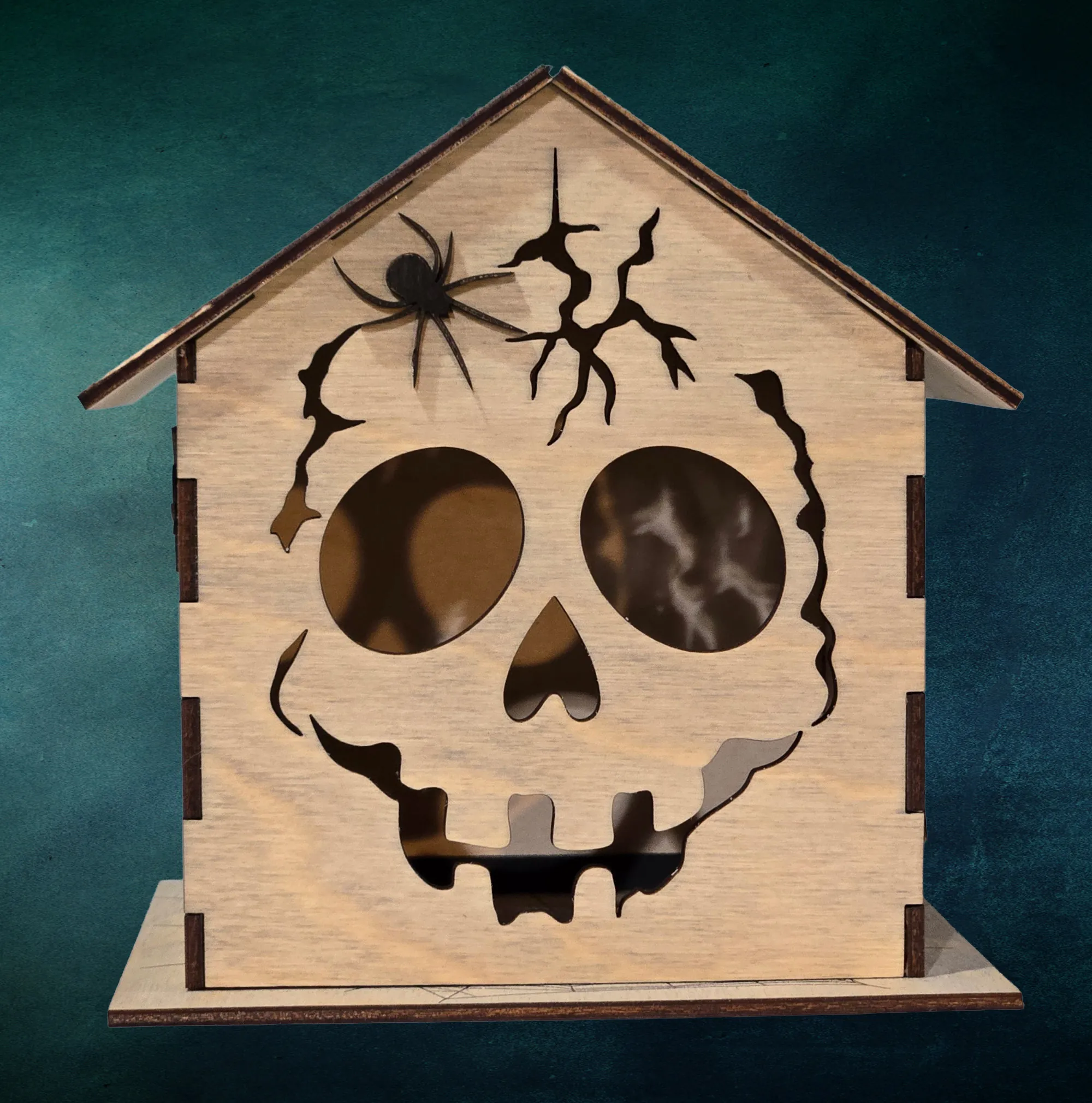
Keep the light low and close to the objects. A bright overhead string can flatten the scene, while a few quiet glows make it feel layered. The house lantern set is designed for battery-operated LED tealights or votives, which makes it easy to place across a mantel, shelf, or party table. The cut details become more visible as the surrounding room gets darker.
For safety, the U.S. Consumer Product Safety Commission advises keeping lit candles away from decorations and other items that can catch fire. A flameless LED option is the better fit when your display includes dried leaves, fabric, paper, or small children passing through the room.
Place the glow at more than one point, but do not make every object shine. Two or three small lights across a standard mantel create a more relaxed rhythm than one intensely bright centerpiece. If the room already has a lamp nearby, use the lanterns as the lower, warmer layer. The contrast helps the mantel feel like its own little evening scene instead of a row of objects sitting in the same light as everything else.
5. Mix smooth, rough, shiny, and soft textures
Texture is what makes a restrained mantel feel finished. The goal is not to add a dozen different materials. It is to place a few contrasts together: smooth glass beside rough wood, a metal candlestick near a soft piece of fabric, or a glossy ceramic pumpkin next to dried leaves. These differences give the display depth even when the color palette stays quiet.
Natural materials are especially useful for a handmade Halloween look. Bare branches, dried seed pods, a piece of dark linen, unfinished wood, and small pumpkins all bring a little irregularity that keeps the display from feeling mass-produced. Let the materials show. A long garland that hides every object is usually less interesting than a few individual textures placed with purpose.
6. Decide whether the mood is playful or moody
You can mix sweet and spooky, but one mood should lead. A playful mantel might have smiling jack-o-lantern faces, warm orange light, tiny houses, and a few friendly ghosts. A moody mantel might have darker wood, black candles, old books, ravens, skeletal shapes, and a more dramatic silhouette. Both work. The problem is trying to give each style equal weight in a small space.
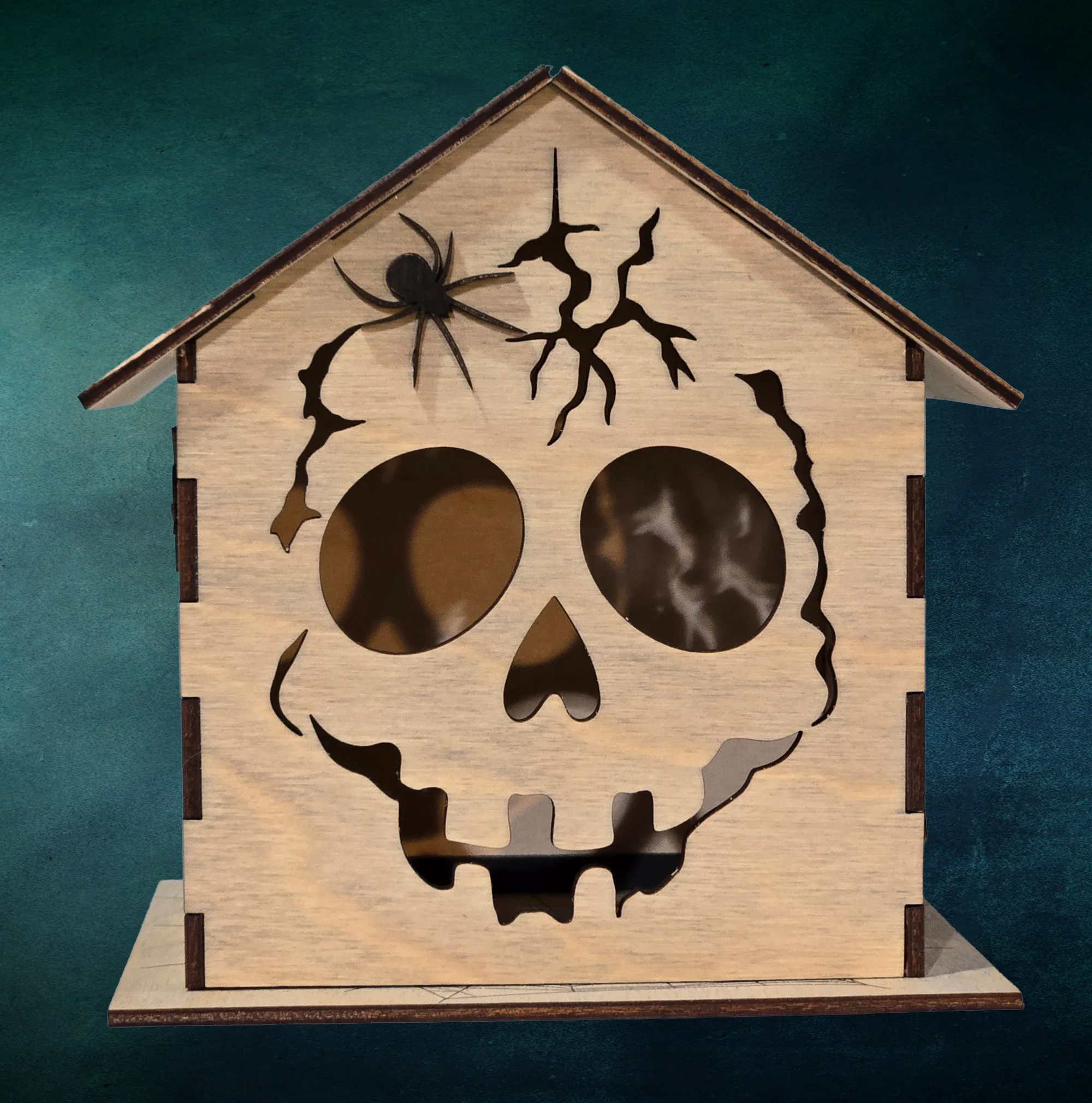
For the moodier route, choose one statement piece and give it room. A gothic skull lantern has detailed cut woodwork, so it looks best with fewer companions around it. Place it beside a stack of books or a low cluster of branches, then let the glow and silhouette do the rest. More objects will not make it more dramatic. They will only compete with it.

7. Use a simple styling formula when you are stuck
When a mantel feels unfinished, use this quick formula: one focal point, two light sources, three supporting objects, and one texture that trails or rises. For example, begin with the wooden Halloween house lantern set in the center. Add two small pumpkins, two LED candles, a short stack of books, and a few branches rising behind the group. Stop there, then look at it at night.
That formula works because each piece has a job. The focal point catches the eye. The lights make the scene visible. The supporting objects add scale and color. The texture keeps the arrangement from looking too tidy. If one piece does not have a job, remove it. Editing is often what makes a mantel look more polished.
8. Keep the setup easy to live with
A beautiful display still has to work in a real house. Keep fragile pieces away from the edge, make sure nothing blocks the fireplace opening or television view, and leave enough clear space for the mantel to be dusted or adjusted. If your household uses the fireplace, move seasonal decor well away before lighting it. The best Halloween mantel is one you can enjoy without worrying about every time someone walks through the room.
It also helps to choose pieces you will be glad to bring out every fall. Handmade wood lanterns, neutral pumpkins, sturdy candleholders, and a few quality textiles are easier to reuse than one-year novelty decorations. They can shift from a September harvest look to a Halloween party setup just by changing a few small accents.
Take a quick photo once the mantel is finished. It makes it much easier to reset the display after cleaning, moving furniture, or hosting a party. It also lets you spot a problem that is harder to notice when you are standing close: an object that disappears against the wall, too many similar shapes in one area, or a gap that needs one small piece of texture. A tiny adjustment is usually all it takes.
For a display that needs to last through October, start with the pieces that are calm enough for everyday use and add the more playful accents later. Lanterns, dark wood, and warm lights work from early fall through Halloween night. Paper bats, fake cobwebs, and party props can come out for one weekend without taking over the whole month. That approach keeps the mantel feeling special without asking you to redecorate from scratch.
Bring the scene together with a little handmade glow
Gaslight Designs makes Halloween pieces for people who want their fall decor to feel collected rather than disposable. The Halloween lantern collection includes a playful set of four wooden houses and a darker gothic lantern, both designed to bring character to a shelf, tabletop, or mantel after the lights go down. They are easy to style around because the cut wood details already give the display a focal point.
Choose the house set when you want a friendly, layered Halloween scene. Choose the skull lantern when the room needs one darker statement piece. Either way, start with the light, give it room to show, and let the rest of the mantel stay simple.
A simple rule
Pick a mood, add a glow, and leave some space around it.
A Halloween mantel feels more memorable when a few details have room to do their job.
Frequently asked questions
A few details before you decorate.
How do I decorate a mantel for Halloween without making it look crowded?
Choose one focal point, one light source, and two or three supporting textures. A short group of lanterns, a little height from books or branches, and a restrained layer of dried leaves can feel much more intentional than filling every open inch.
What colors work best for Halloween mantel decor?
Start with the colors already in the room, then add a tight Halloween accent palette. Black, warm wood, amber light, muted orange, deep green, and aged brass are easy to combine because they feel seasonal without competing with one another.
Can I use real candles on a Halloween mantel?
Use a battery-operated LED candle whenever dry leaves, fabric, paper, or other flammable decorations are nearby. If you do use a real candle, keep it visible, stable, and well away from anything that could catch fire.
When should I put up Halloween mantel decor?
Early to mid-September is a practical time to start with a few warm fall pieces. Add the more playful or spooky details as October gets closer, then keep the display easy to adjust for a party or trick-or-treat night.