Shopping for new parents can feel oddly high stakes. They may be surrounded by tiny essentials, short on sleep, and trying to make room for a very big change. The best gifts for new parents do not have to be expensive or elaborate. They simply make the season feel more supported, more personal, or easier to remember.
That is why a thoughtful gift usually beats a big pile of stuff. Start with the parents, not the baby aisle. Think about what they are celebrating, what kind of home they are making, and whether they would be happiest with help, a useful everyday piece, or something that marks this exact chapter.
1. Decide what kind of help the gift should give
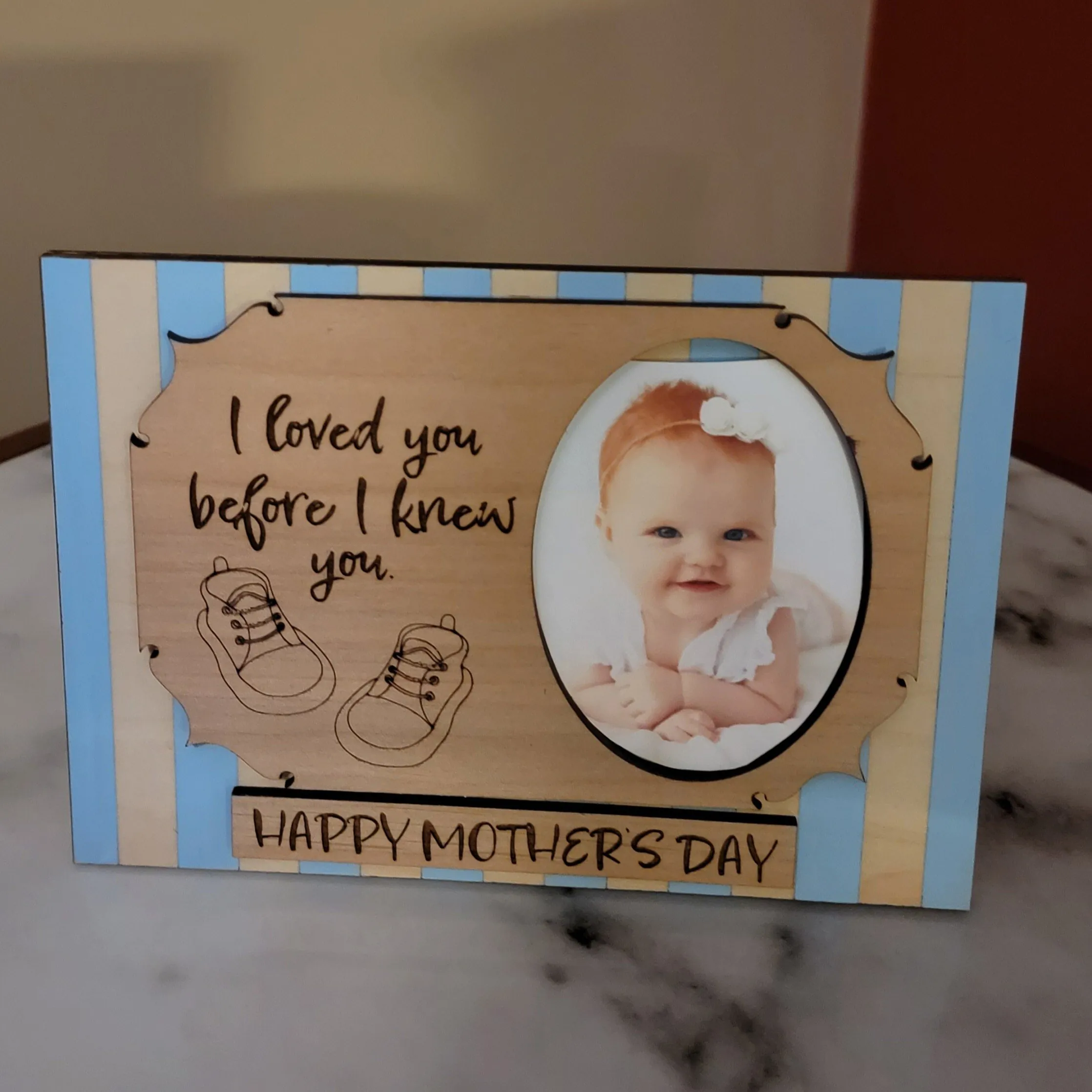
Most good new-parent gifts do one of three jobs. They remove a small task, make a new routine feel warmer, or preserve a memory before it gets lost in the blur. A dinner dropped at the door, a practical delivery credit, or a few hours of help can remove pressure. A soft light or a personal piece can make a late-night routine feel more settled. A photo frame or engraved keepsake gives the family somewhere to place a first memory instead of leaving it trapped in a camera roll.
If you are close to the parents, ask a simple question before buying: “Would you rather have something useful, something for the nursery, or something to keep?” That one question is usually more helpful than guessing from a registry that may already be complete. If you are not close enough to ask, choose a gift that is clearly optional and easy to enjoy, not a piece of gear they will have to research or return.

2. Skip safety-sensitive gear unless it is on their list
Newborn sleep, feeding, and travel products can seem like practical gifts, but they also come with preferences, space limitations, and changing safety guidance. The safest rule is simple: leave sleep-related gear, seats, monitors, and feeding equipment to the parents’ registry or their direct request. The U.S. Consumer Product Safety Commission’s safe-sleep guidance recommends using products intended for sleep that meet federal requirements, and its recall database is there for families checking a specific product.
That does not mean every baby gift needs to be serious. It means your gift can stay in the joyful lane. A personalized frame, a book with a handwritten note, a restaurant credit, or a nursery accent adds heart without asking new parents to make a safety decision around your purchase. When a gift is decorative, keep it out of the sleep space unless the parents decide otherwise. The American Academy of Pediatrics’ safe-sleep guide is a useful current reference for families making those decisions.
3. Make the gift feel like it belongs to this family
Personalization works best when it starts with a real detail, not a generic label. A baby’s name, birth date, first photo, a favorite bedtime line, or a family phrase turns an ordinary object into a marker of a specific time. That is especially valuable for new parents, because the details of those first weeks change fast.
A personalized baby picture frame is a good example. It has one job, hold a photo, but it gives that first image a real place in the home. A small light for the nursery can work the same way when it fits the family’s style. The goal is not to cover every surface with baby items. It is to choose one piece that says, “This is yours.”
4. Pair practical support with a keepsake
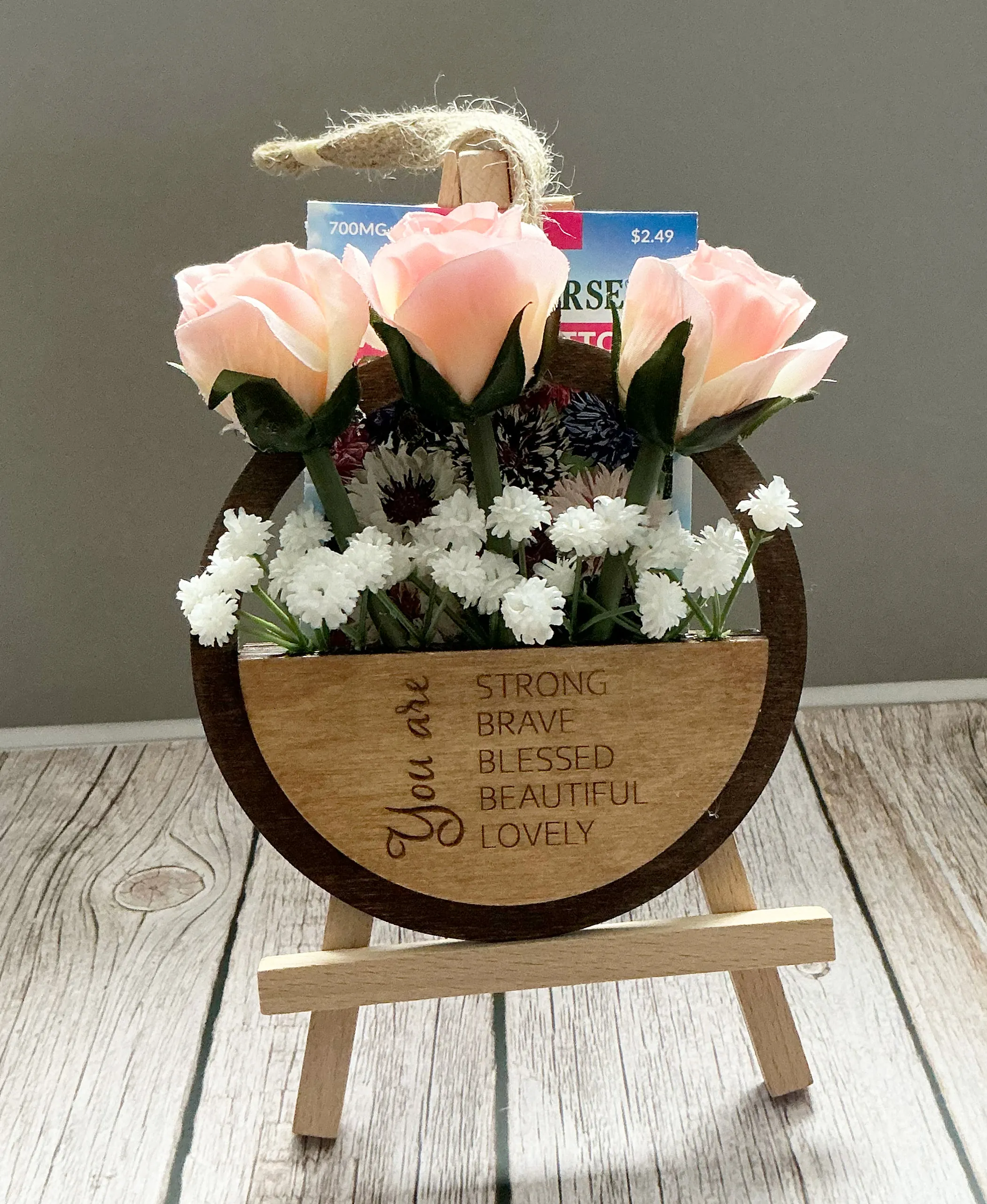
The strongest gifts for new parents often have two parts: one that helps now and one that lasts. A grocery or meal delivery credit, a coffee shop card, or a contribution toward something the family has chosen can solve an immediate problem. Pair it with a card that names the support, then add a small object they can keep.
This works especially well for people who worry that a gift card feels impersonal. It does not have to. A gift card holder, a hand-written note, or a small custom piece gives the practical part a warmer presentation. Instead of arriving as “one more thing to spend,” it arrives as permission to use help when it is needed. That is a much better message for a household living in short windows of time.
5. Match the gift to the moment, not the milestone alone
“New parent” is a big category, but the timing changes what feels thoughtful. Before the baby arrives, the parents may still have room for a keepsake that helps them imagine the nursery. In the first few weeks, practical support may be the most generous thing you can offer. A few months in, a first photo, a name sign, or a small light may feel more useful because the family has started to see what their everyday routines look like.
Pay attention to the delivery window, too. A gift that needs a long reply, a difficult setup, or a trip to the store can accidentally become another task. If you are sending something after the birth, make it easy to receive and easy to enjoy. Include the receipt only when it makes sense, confirm the shipping address, and avoid expecting a prompt thank-you. Thoughtfulness includes the amount of work a gift asks from the person receiving it.
For a baby shower, it can help to choose something that complements the registry rather than competing with it. Let the registry handle the essentials. Your gift can bring the family personality, whether that is a frame for the photo they will take later or a decorative piece that makes the nursery feel less like a checklist. For a family that has already welcomed the baby, a custom keepsake can become the more fitting choice because it can include the details that were not known before.
6. Think beyond the baby
New parents are still themselves. A good gift can acknowledge the family without making everything about diapers, feeding schedules, or tiny outfits. If the parents love a particular movie, music, hobby, garden, or color palette, let that show up in the gift. A custom piece that fits their living room or reflects an inside joke can be more meaningful than another newborn onesie.
This also matters for families welcoming a second or third child. The new baby deserves to be celebrated, and so does the sibling who is learning a new role. The American Academy of Pediatrics notes that a small special gift or one-on-one plan can help older children feel included as the family changes. Its guidance for preparing an older child for a new baby offers a helpful reminder to make room for that transition, too.
7. Choose a gift that will still make sense later
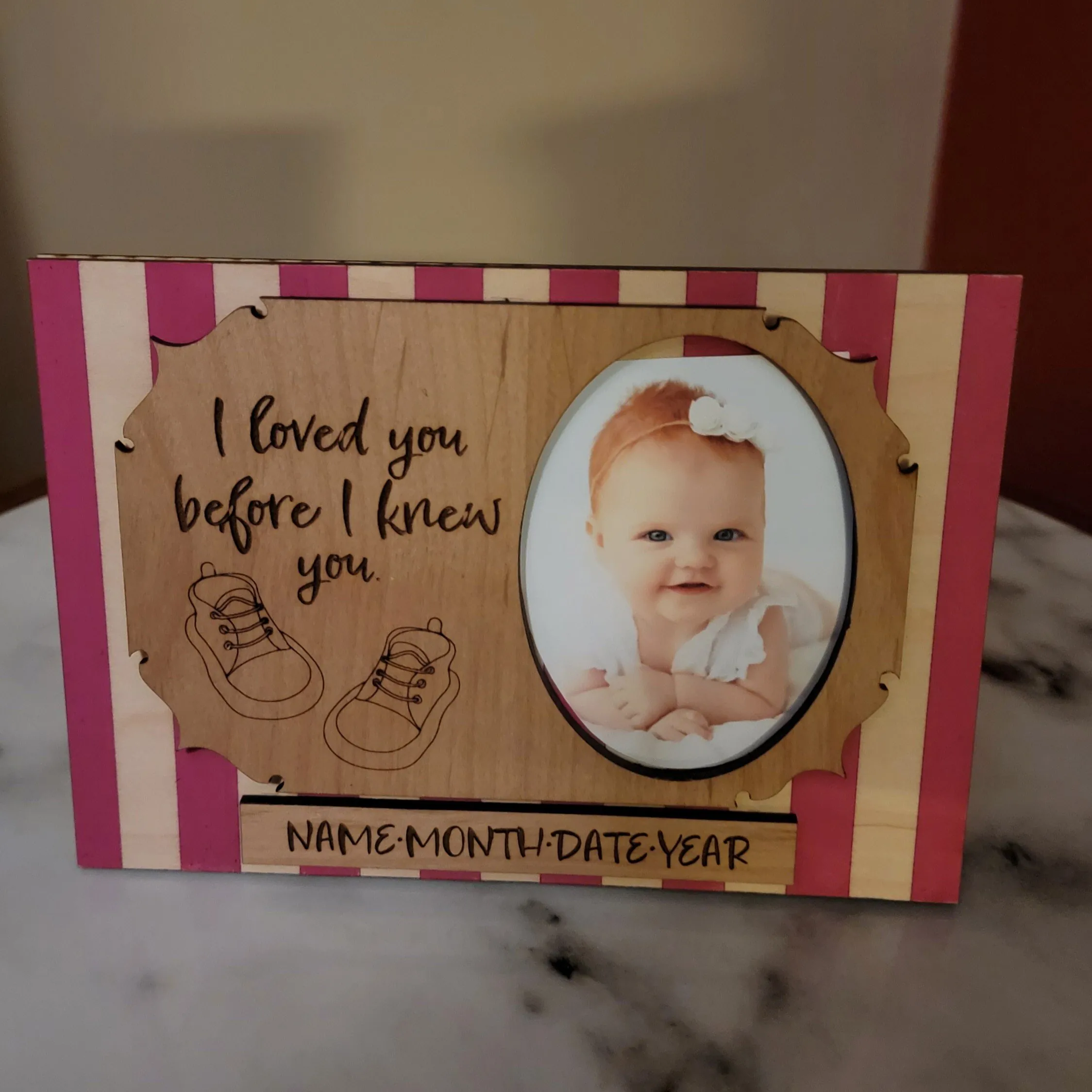
Before you buy, picture the gift six months from now. Will it still be useful, displayed, or remembered? That question filters out a lot of novelty items. The best keepsakes do not ask parents to save everything. They earn their place because they hold a photo, brighten a room, or bring back the feeling of this particular season.
For that reason, be careful with a gift that is too large, too specific to a brief stage, or hard to store. Small and intentional usually wins. A frame can move from nursery shelf to family room. A light can grow into a child’s room. A handmade display piece can mark the moment without becoming clutter. Let the scale of the gift match the scale of the relationship and the home.
8. Keep the personalization clear and useful
When you personalize a gift, accuracy matters more than decoration. Confirm the spelling of names, whether a middle name belongs on the piece, the date format the family uses, and any phrase that has special meaning. If you are unsure, choose a design that can be finished after the baby arrives rather than guessing. A beautiful piece with one wrong letter is much harder to enjoy.
It also helps to give the maker context. Tell them if the gift is for a small nursery, a shared room, a first child, or a family welcoming twins. Mention the colors the parents already use, or share a simple description of their style. For example, a family that likes clean wood tones may want something very different from a family building a bright storybook room. A nursery night light feels more considered when its material, light color, and scale fit the space it is entering.
Do not force personalization where it does not belong. One meaningful detail is generally enough. A name, first photo, short phrase, or date can carry the whole gift. Adding every possible detail can make it feel crowded, especially on a smaller piece. Let the object have room to breathe so the part that matters is easy to see.
9. Add the personal note that makes the gift land
New parents may not remember every package that arrived, but they often remember how a gift made them feel. Add a note that gives the gift context. Mention why you chose it, what you hope it gives them, or that it is there for the nights that feel long and the photos they will want to keep. Do not worry about being clever. A warm, specific sentence is enough.
For a custom piece, send the maker the details that matter: correct spelling, dates, the room where it might live, and any meaningful phrase. Gaslight Designs makes room for those details in custom-order conversations, whether the right idea is a baby keepsake, a nursery light, or something built around the family’s own story.
If you are giving from far away, your note does even more of the work. Mention that there is no need to reply quickly, that you are thinking of them, and that the gift is meant for the long days as much as the happy announcement. That removes a little social pressure at a time when the family may be answering more messages than usual. A gift does not need a grand speech. It just needs to make the parents feel seen.
When you have a group gift, choose one person to collect the details and keep the message focused. A framed photo or custom item feels more special when it carries a shared note from the people who care about the family, rather than a long list of names squeezed into the design. Keep the object personal, and let the card hold the full chorus of congratulations.
A simple shortcut
When in doubt, give one useful thing and one thing to keep.
That combination respects the reality of new parenthood while still giving the family a small reminder of how loved they are.
Questions, answered
Choosing a gift with care.
What is the best gift for new parents who already have baby gear?
A personal keepsake or a practical gift that does not duplicate their registry is usually a strong choice. A frame for a first photo, a custom piece for the nursery, a meal delivery credit, or an offer of help can feel useful without adding another bulky item.
Should I ask new parents what they need?
Yes. A quick message can prevent duplicate gifts and lets you learn whether they would appreciate something practical, something for the baby, or a keepsake for the family.
Are sleep-related baby gifts a good idea?
Only when the parents have specifically asked for one. Safety guidance changes, and sleep products should be chosen from the parents' registry or after checking current guidance from their pediatrician and trusted safety sources.
What makes a keepsake gift feel personal?
The best details connect to a real memory: a name, date, first photo, favorite bedtime phrase, family saying, or a little reference that already matters to the parents.


